Aerospace Structures & Hypersonic Design
Structural analysis of aerospace systems, morphing wing design, FEA-based simulation of hypersonic aerothermal loads, and SMA-actuated adaptive structures for extreme environments.
Aerospace Engineer & Computational Researcher
From hypersonic morphing structures and shape memory alloys to Bayesian creep prediction — bridging physics-based simulation with data-driven modeling.
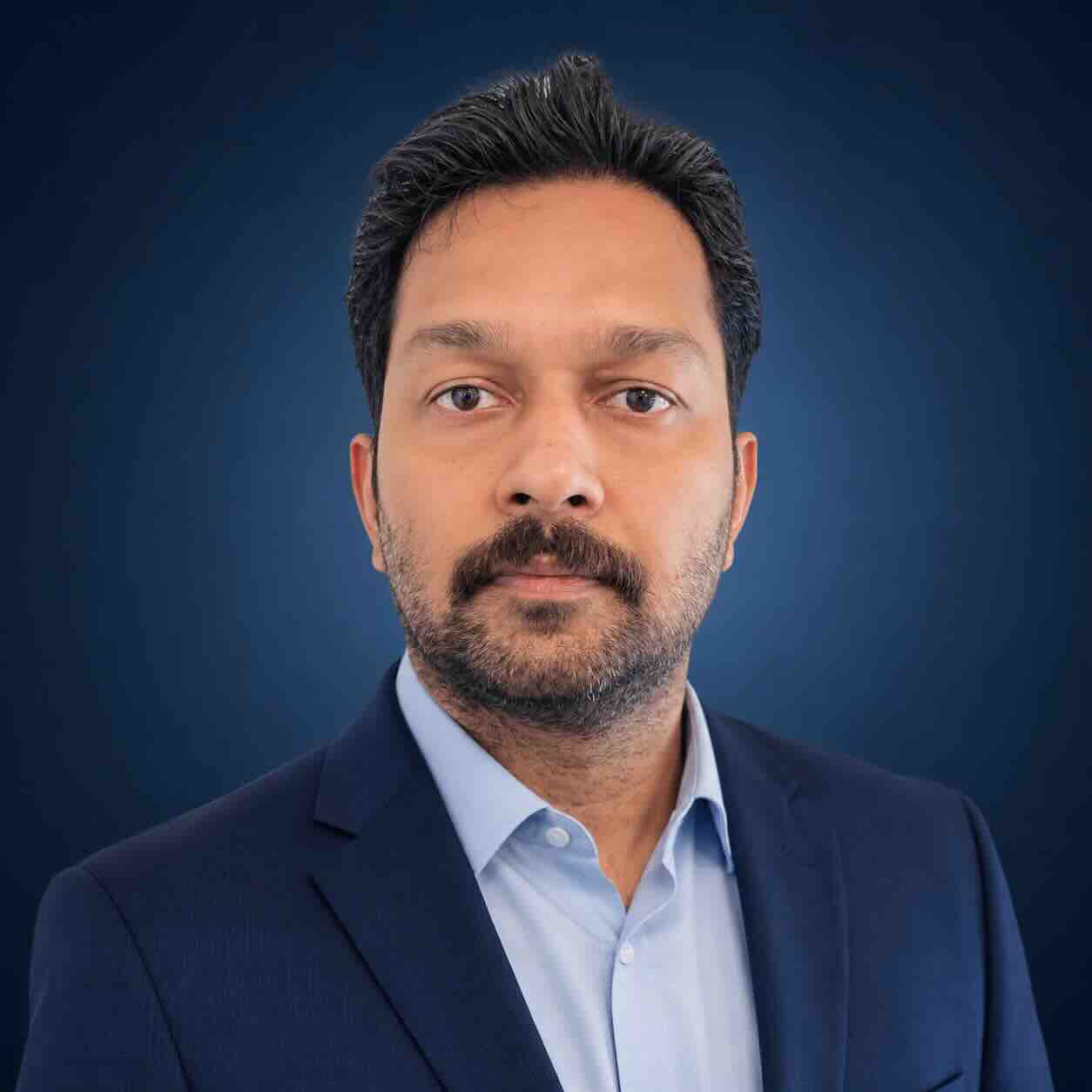
With over a decade of hands-on experience in aerospace structural analysis, finite element methods, and active materials engineering, I bring deep technical expertise to complex R&D challenges. At Los Alamos National Laboratory I led Bayesian-driven experimental design for high-temperature steel alloys, and I now head an FEA software development team at Ark2Tech, building modular computational solvers for pressure vessel and pipeline analysis.
Academia & ResearchMy PhD at Texas A&M (CGPA 3.9/4.0) under Prof. Dimitris Lagoudas focused on micromechanical modeling of NiTiHf shape memory alloys. A NASA-funded postdoc followed, applying SMA actuators to hypersonic morphing structures. Eight peer-reviewed journal papers, two Springer book chapters, and an h-index of 5 reflect a productive research career spanning micromechanics, crystal plasticity, and machine learning for materials.
From the NASA-funded labs of College Station, TX to the national security science of Los Alamos, NM.
Developed micromechanics-based constitutive models for precipitated NiTiHf shape memory alloys under Prof. Dimitris Lagoudas. Built validated simulation tools coupling phase-transformation mechanics with crystal plasticity frameworks.
NASA-funded project on hypersonic morphing aircraft design using shape memory alloy actuators. Designed SMA-driven morphing wing structures capable of operating in extreme hypersonic thermal and aerodynamic environments.
DOE-funded research on high-temperature deformation and creep of advanced steel alloys under Dr. Laurent Capolungo. Developed Bayesian experimental design frameworks and physics-informed neural network models for creep prediction. Contributed to national nuclear energy and materials resilience programs.
Spanning aerospace structures, advanced materials, and computational methods.
Structural analysis of aerospace systems, morphing wing design, FEA-based simulation of hypersonic aerothermal loads, and SMA-actuated adaptive structures for extreme environments.
Constitutive modeling, experimental validation, and engineering application of SMAs including NiTi and NiTiHf systems. Expertise in phase transformation mechanics and thermo-mechanical coupling.
Physics-based multi-scale models connecting microstructure (precipitates, grain morphology) to macroscopic structural response. Mori-Tanaka, self-consistent, and mean-field homogenization methods.
Crystal plasticity finite element (CPFE) modeling of deformation, creep, and radiation-induced damage in structural alloys. Calibration from micro-to-macro experimental data for nuclear material applications.
Physics-informed neural networks, surrogate models, and deep learning approaches for material response prediction. Integration of data-driven methods with mechanics-based constitutive frameworks.
Sequential Bayesian optimal experimental design (BOED) for materials characterization. Uncertainty quantification (UQ) in computational models, parameter estimation, and model selection under uncertainty.
Peer-reviewed research in leading materials and mechanics journals.
Available on request — use the contact form below and I'll send them directly.
Full academic and professional history, publications, awards, and service.
Request via ContactVision, ongoing projects, and future research directions in computational mechanics and materials.
Request via ContactPhilosophy on engineering education, hands-on learning, and mentoring future researchers.
Request via ContactFrom the Aggie Bonfire traditions of College Station to the high desert landscapes of Los Alamos — ten years of discovery, collaboration, and life in the American Southwest.
Whether you're exploring research collaboration, faculty positions, industry R&D roles, or consulting on computational mechanics problems — I'd love to hear from you.